Loading Guides...
Connecting to our product database.
Connecting to our product database.
In-depth product reviews, features comparison, and buying advice to help you shop smarter.

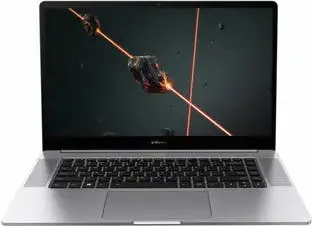
OLED wins on picture quality — true black levels, vivid HDR, and contrast that IPS panels simply cannot match, making it the clear pick for video, photo editing, and media consumption. IPS wins on everyday practicality — longer battery life, lower purchase price, no burn-in risk, and more consistent brightness for brightly lit rooms. Your workflow should decide, not the spec sheet — if you spend most of your time in a browser, writing code, or working in spreadsheets, an IPS display will serve you just as well at a lower cost. OLED is not the default better choice — static content like code editors and terminal windows raises real burn-in concerns over time, and the higher price premium rarely pays off for productivity-first users. Battery life differences are real and consistent — OLED panels draw more power at high brightness, so if you routinely work away from a plug, IPS is the safer long-term bet. Best For: Which Display Fits Your Life The short answer is that the better panel depends almost entirely on what you do with your laptop every day. Here is a buyer-profile breakdown to make that call easier. Creative Work (Photo Editing, Video Production, Design) Go OLED if color accuracy and contrast are central to your work. OLED panels routinely cover 100% DCI-P3 with near-perfect black levels, which means shadows in photos and gradients in video look exactly as intended. If you are color-grading footage or retouching images professionally, the difference is visible and meaningful. Not ideal for: OLED is a harder sell for print designers who need precise sRGB calibration out of the box. Some OLED panels skew toward a wider color profile by default, which can cause a mismatch between screen and print output unless you calibrate carefully. Go IPS if you work in a bright studio or need a panel you can trust without regular calibration. A well-tuned IPS display handles sRGB workflows reliably and stays consistent across long sessions without brightness shifts. Not ideal for: IPS falls short when you need to judge deep shadow detail or review HDR content. The contrast ceiling is lower, and blacks look noticeably gray in dim rooms. Office Work and Productivity Go IPS for spreadsheets, documents, video calls, and general browsing. IPS panels are bright, consistent, and easy on the eyes across an eight-hour day. They hold up well in sunny offices and do not require any special handling. Not ideal for: IPS is a less satisfying choice if you watch a lot of video during breaks or care about how your screen looks after hours. The experience is functional rather than engaging. Go OLED if you want your productivity machine to double as a media screen and you are willing to manage brightness settings to protect against burn-in on static UI elements like taskbars and pinned toolbars. Not ideal for: OLED is not the right default for anyone who leaves static content on screen for hours without moving it. Long-term burn-in risk is real and worth taking seriously. Gaming Go OLED if immersion matters more than competitive edge. OLED's instant pixel response and true blacks make games look genuinely cinematic. Dark dungeon scenes, night environments, and HDR-lit explosions all land harder on OLED. Not ideal for: OLED gaming laptops often trade peak brightness for that contrast performance. In a sunlit room, the screen can feel dim compared to a high-nit IPS panel. Go IPS if you play fast-paced competitive titles where consistent high brightness and a lower price point matter more than visual depth. Many IPS gaming panels now hit 144 Hz or higher refresh rates at accessible price points. Not ideal for: IPS cannot match the visual drama of OLED in single-player story-driven games. If you play a lot of atmospheric RPGs or open-world titles, you will notice the gap. Travel and On-the-Go Use Go IPS for reliable battery life and consistent performance across varied lighting conditions. IPS panels are generally more predictable in direct sunlight, and many thin-and-light IPS laptops push past 12 hours of real-world use. Fewer things to worry about when you are working from a coffee shop or a flight. Not ideal for: IPS is the less exciting choice if your travel involves a lot of evening viewing or presentations in darkened rooms. The flat contrast will be noticeable. Go OLED if your travel style involves evening work sessions, hotel rooms, and watching movies on long flights. The screen experience rewards that kind of use. Not ideal for: OLED battery life is improving but still typically trails IPS equivalents by one to two hours in mixed use. That gap matters when outlets are scarce. Coding and Development Go IPS if you spend most of your day reading and writing text. IPS panels render sharp, high-contrast text under consistent backlighting, which is genuinely comfortable for long coding sessions. The matte finish common on many IPS laptops also cuts glare in office lighting. Not ideal for: IPS does not offer much in the way of visual reward outside the code editor. If you value a great screen experience during your off-hours too, IPS can feel underwhelming. Go OLED if you do a mix of development and creative work, or if you simply want a screen that feels premium at the end of a long day. OLED text rendering is excellent on high-resolution panels, and the overall experience is more satisfying. Not ideal for: OLED can be harder to pair with a glossy finish in brightly lit dev environments. Glare management becomes a more active consideration. Consider Also If you are still on the fence, a few middle-ground options are worth knowing about. Some laptop lines now offer Mini-LED IPS panels that close part of the contrast gap with local dimming zones, though they still do not fully match true OLED blacks. They are a reasonable compromise if you want better-than-standard IPS without fully committing to OLED. On the OLED side, newer tandem OLED panels (found in a handful of current-generation machines) address some of the traditional brightness and burn-in concerns by stacking two OLED layers. They are worth checking out if you have heard those downsides used as reasons to avoid OLED entirely. The Bottom Line Neither OLED nor IPS is the objectively better technology. OLED wins on contrast, HDR impact, and perceived image quality. IPS wins on battery consistency, cost, and lower day-to-day maintenance. The right call is the one that fits how you actually use your laptop, not the one with the longer spec sheet. If you are a creative professional, a gamer who values immersion, or someone who watches a lot of video, OLED is probably worth the premium. If you are a frequent traveler, a spreadsheet-heavy professional, or someone buying on a tighter budget, a quality IPS panel will do the job well and leave money for other things. Still deciding? Browse our laptop reviews to see how specific models perform in real-world testing. Seeing the numbers in context can make the decision a lot clearer.

Do a full software cleanup before buying any hardware. It costs nothing, and it often reveals that sluggish performance was never a hardware problem to begin with. Check whether your laptop's RAM and storage are soldered to the motherboard before ordering parts. Many modern thin-and-light models have neither upgradeable, and you cannot change that after the fact. Swapping a spinning hard drive for an SSD is the single biggest speed improvement you can make on an older machine. Boot times, app load times, and general responsiveness all improve noticeably. A RAM upgrade only makes a real difference if your system is consistently hitting its memory ceiling. If the CPU is the bottleneck, more RAM will not fix the problem. A new battery is worth it if your machine is otherwise healthy and the replacement cost is low relative to what the laptop is worth. A laptop that only runs tethered to a wall is much less useful. Stop spending money on a laptop when repair or upgrade costs approach what the machine is worth, or when the CPU is too slow for the tasks you need. At that point, replacement is the smarter call.

1) Quick Summary Imagine yourself surrounded by lush greenery and vibrant flowers, the epitome of a perfect outdoor oasis. This idyllic scene can be achieved with the Solimo 3-Piece Garden Tool Set. As we delve into this ultimate buyer's guide, we'll uncover the world of terrace gardening and discover why this essential tool set is a must-have for every green-thumbed enthusiast. The Solimo 3-Piece Garden Tool Set is a thoughtfully curated collection of gardening tools that cater to the needs of both novice and seasoned gardeners. This comprehensive set includes a big shovel perfect for digging and planting, a cultivator for aeration and soil loosening, and a weeder to tackle those pesky weeds. As we explore the decision framework, we'll dissect the build quality, materials, and performance of the Solimo 3-Piece Garden Tool Set. The Solimo 3-Piece Garden Tool Set boasts an impressive build quality, with each tool crafted from high-quality materials that exude durability and longevity. The ergonomically designed handles ensure comfort and grip, even during extended gardening sessions. Whether you're a seasoned gardener or just starting your green journey, the Solimo 3-Piece Garden Tool Set is designed to cater to various buyer scenarios. For the Commuter: If you have a small balcony or patio, this tool set is perfect for whipping your garden into shape on the weekends. For the Style-First Shopper: If you're looking to upgrade your garden's aesthetic, the Solimo 3-Piece Garden Tool Set is the perfect accompaniment to your garden decor. In conclusion, the Solimo 3-Piece Garden Tool Set is a versatile and essential tool for any gardening enthusiast. Its durability, performance, and comprehensive design make it an investment worth considering. 2) Decision Framework The Solimo 3-Piece Garden Tool Set's exceptional build quality is the result of meticulous design and execution. Each tool has been crafted with the utmost care, ensuring that they meet the highest standards of quality and performance. The handles of the tools are designed for optimal comfort and grip, reducing fatigue and strain on your hands during extended use. The tools themselves demonstrate exceptional durability, with a rust-resistant coating that ensures a long lifespan. The ergonomic design enables users to garden for extended periods without fatigue, reducing the likelihood of injury. 3) Buyer Scenarios For the Commuter: As a busy commuter, you likely have limited time to dedicate to gardening. However, with the Solimo 3-Piece Garden Tool Set, you can easily maintain your garden's health and aesthetic. For the Style-First Shopper: If you're looking to upgrade your garden's style and charm, the Solimo 3-Piece Garden Tool Set is an ideal companion to your existing garden decor. 4) Final Verdict In conclusion, the Solimo 3-Piece Garden Tool Set is an excellent addition to any gardening enthusiast's toolkit. Its exceptional build quality, comprehensive design, and versatility make it a valuable investment for any garden lover. | Discount: 37% off | Category: Home

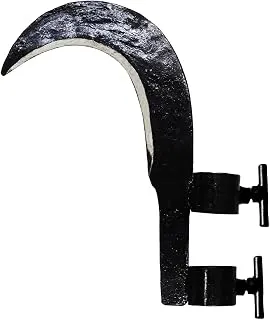
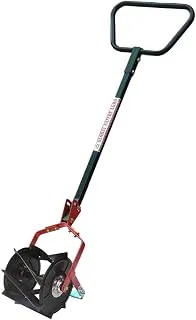
This Ultimate Buyer's Guide To Heavy Duty Hand Weeders Exposes The Top Secret To Farming Bliss. Are you tired of using flimsy, manual weeders that leave your farming tools and equipment in shambles? Have you considered investing in a reliable, heavy-duty hand weeder with a comfortable handle for your agriculture needs? If so, you're on the right track. In this comprehensive review, we'll dive deep into the REDBUILD Heavy Duty Hand Weeder with Handle, exploring its build, materials, performance, and more. **Our Decision Framework: A Closer Look at Build & Materials** When it comes to manual weeders, the build and materials play a crucial role in determining its overall performance and durability. The REDBUILD Heavy Duty Hand Weeder with Handle boasts a sturdy, high-quality steel construction that ensures its longevity and ability to withstand the rigors of farming. The 4-foot handle is designed with ergonomics in mind, providing a comfortable grip and reducing fatigue during prolonged use. Whether you're a seasoned farmer or an agriculture enthusiast, this weeder's rugged design makes it perfect for tackling thick weeds and unwanted vegetation. **Buyer Scenarios: Who Does This Weeder Suit?** 1. **The Commuter Farmer**: If you're a farmer who spends most of their time traveling between different plots of land, this weeder is an ideal companion. Its lightweight design and comfortable handle make it easy to carry and use, even in tight spaces. 2. **The Style-First Shopper**: For those who prioritize aesthetics and want to add a touch of flair to their farming tools, the REDBUILD Heavy Duty Hand Weeder with Handle is a great option. Its sleek design and high-quality materials make it a stylish addition to any farming collection. **Final Verdict: A Weeder That Delivers** After putting the REDBUILD Heavy Duty Hand Weeder with Handle to the test, we can confidently say that it's a game-changer for farmers and agriculture enthusiasts alike. Its heavy-duty design, comfortable handle, and high-quality materials make it the perfect tool for tackling thick weeds and unwanted vegetation. Whether you're a seasoned farmer or just starting out, this weeder is an essential addition to your agriculture toolkit. So why wait? Get your hands on the REDBUILD Heavy Duty Hand Weeder with Handle today and experience the difference for yourself! | Discount: 60% off | Category: Home