
Primebook 2 Max (2026) | 8GB RAM, 128GB UFS Storage | 15.6-Inch Full HD IPS Display | 12hrs Battery | MediaTek Helio G99 | Android 15 (PrimeOS 3.0) | Backlit Keyboard | in-Built AI (Gray)
Primebook 2 Max (2026) | 8GB RAM, 128GB UFS Storage | 15.6-Inch Full HD IPS Display | 12hrs Battery | MediaTek Helio G99 |... | Discount: 31% off | Category: Laptops
Clickys Verdict & Review
Why trust us? At Clickys, we test products and give honest product reviews to help shoppers, not just for money. Our recommendations are strictly based on our independent editorial guidelines.
Pros: Excellent value for money, highly rated by verified buyers.
Cons: Availability can fluctuate.
Bottom Line: The Primebook 2 Max (2026) | 8GB RAM, 128GB UFS Storage | 15.6-Inch Full HD IPS Display | 12hrs Battery | MediaTek Helio G99 | Android 15 (PrimeOS 3.0) | Backlit Keyboard | in-Built AI (Gray) stands out in the Laptops category for its overall performance and price point.
Compare Prices & Buy
Prices and availability may vary. Affiliate links help support our site.
Price History Last 30 Days
Track actual price changes to ensure you get the best deal.
You Might Also Like


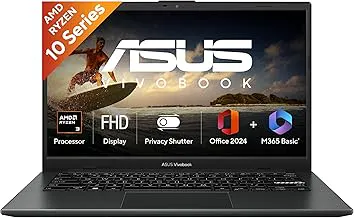


Featured In These Guides

OLED vs IPS Laptop Display: Which Should You Choose?
OLED wins on picture quality — true black levels, vivid HDR, and contrast that IPS panels simply cannot match, making it the clear pick for video, photo editing, and media consumption. IPS wins on everyday practicality — longer battery life, lower purchase price, no burn-in risk, and more consistent brightness for brightly lit rooms. Your workflow should decide, not the spec sheet — if you spend most of your time in a browser, writing code, or working in spreadsheets, an IPS display will serve you just as well at a lower cost. OLED is not the default better choice — static content like code editors and terminal windows raises real burn-in concerns over time, and the higher price premium rarely pays off for productivity-first users. Battery life differences are real and consistent — OLED panels draw more power at high brightness, so if you routinely work away from a plug, IPS is the safer long-term bet. Best For: Which Display Fits Your Life The short answer is that the better panel depends almost entirely on what you do with your laptop every day. Here is a buyer-profile breakdown to make that call easier. Creative Work (Photo Editing, Video Production, Design) Go OLED if color accuracy and contrast are central to your work. OLED panels routinely cover 100% DCI-P3 with near-perfect black levels, which means shadows in photos and gradients in video look exactly as intended. If you are color-grading footage or retouching images professionally, the difference is visible and meaningful. Not ideal for: OLED is a harder sell for print designers who need precise sRGB calibration out of the box. Some OLED panels skew toward a wider color profile by default, which can cause a mismatch between screen and print output unless you calibrate carefully. Go IPS if you work in a bright studio or need a panel you can trust without regular calibration. A well-tuned IPS display handles sRGB workflows reliably and stays consistent across long sessions without brightness shifts. Not ideal for: IPS falls short when you need to judge deep shadow detail or review HDR content. The contrast ceiling is lower, and blacks look noticeably gray in dim rooms. Office Work and Productivity Go IPS for spreadsheets, documents, video calls, and general browsing. IPS panels are bright, consistent, and easy on the eyes across an eight-hour day. They hold up well in sunny offices and do not require any special handling. Not ideal for: IPS is a less satisfying choice if you watch a lot of video during breaks or care about how your screen looks after hours. The experience is functional rather than engaging. Go OLED if you want your productivity machine to double as a media screen and you are willing to manage brightness settings to protect against burn-in on static UI elements like taskbars and pinned toolbars. Not ideal for: OLED is not the right default for anyone who leaves static content on screen for hours without moving it. Long-term burn-in risk is real and worth taking seriously. Gaming Go OLED if immersion matters more than competitive edge. OLED's instant pixel response and true blacks make games look genuinely cinematic. Dark dungeon scenes, night environments, and HDR-lit explosions all land harder on OLED. Not ideal for: OLED gaming laptops often trade peak brightness for that contrast performance. In a sunlit room, the screen can feel dim compared to a high-nit IPS panel. Go IPS if you play fast-paced competitive titles where consistent high brightness and a lower price point matter more than visual depth. Many IPS gaming panels now hit 144 Hz or higher refresh rates at accessible price points. Not ideal for: IPS cannot match the visual drama of OLED in single-player story-driven games. If you play a lot of atmospheric RPGs or open-world titles, you will notice the gap. Travel and On-the-Go Use Go IPS for reliable battery life and consistent performance across varied lighting conditions. IPS panels are generally more predictable in direct sunlight, and many thin-and-light IPS laptops push past 12 hours of real-world use. Fewer things to worry about when you are working from a coffee shop or a flight. Not ideal for: IPS is the less exciting choice if your travel involves a lot of evening viewing or presentations in darkened rooms. The flat contrast will be noticeable. Go OLED if your travel style involves evening work sessions, hotel rooms, and watching movies on long flights. The screen experience rewards that kind of use. Not ideal for: OLED battery life is improving but still typically trails IPS equivalents by one to two hours in mixed use. That gap matters when outlets are scarce. Coding and Development Go IPS if you spend most of your day reading and writing text. IPS panels render sharp, high-contrast text under consistent backlighting, which is genuinely comfortable for long coding sessions. The matte finish common on many IPS laptops also cuts glare in office lighting. Not ideal for: IPS does not offer much in the way of visual reward outside the code editor. If you value a great screen experience during your off-hours too, IPS can feel underwhelming. Go OLED if you do a mix of development and creative work, or if you simply want a screen that feels premium at the end of a long day. OLED text rendering is excellent on high-resolution panels, and the overall experience is more satisfying. Not ideal for: OLED can be harder to pair with a glossy finish in brightly lit dev environments. Glare management becomes a more active consideration. Consider Also If you are still on the fence, a few middle-ground options are worth knowing about. Some laptop lines now offer Mini-LED IPS panels that close part of the contrast gap with local dimming zones, though they still do not fully match true OLED blacks. They are a reasonable compromise if you want better-than-standard IPS without fully committing to OLED. On the OLED side, newer tandem OLED panels (found in a handful of current-generation machines) address some of the traditional brightness and burn-in concerns by stacking two OLED layers. They are worth checking out if you have heard those downsides used as reasons to avoid OLED entirely. The Bottom Line Neither OLED nor IPS is the objectively better technology. OLED wins on contrast, HDR impact, and perceived image quality. IPS wins on battery consistency, cost, and lower day-to-day maintenance. The right call is the one that fits how you actually use your laptop, not the one with the longer spec sheet. If you are a creative professional, a gamer who values immersion, or someone who watches a lot of video, OLED is probably worth the premium. If you are a frequent traveler, a spreadsheet-heavy professional, or someone buying on a tighter budget, a quality IPS panel will do the job well and leave money for other things. Still deciding? Browse our laptop reviews to see how specific models perform in real-world testing. Seeing the numbers in context can make the decision a lot clearer.
How to Upgrade and Extend the Lifespan of Your Old Laptop
Do a full software cleanup before buying any hardware. It costs nothing, and it often reveals that sluggish performance was never a hardware problem to begin with. Check whether your laptop's RAM and storage are soldered to the motherboard before ordering parts. Many modern thin-and-light models have neither upgradeable, and you cannot change that after the fact. Swapping a spinning hard drive for an SSD is the single biggest speed improvement you can make on an older machine. Boot times, app load times, and general responsiveness all improve noticeably. A RAM upgrade only makes a real difference if your system is consistently hitting its memory ceiling. If the CPU is the bottleneck, more RAM will not fix the problem. A new battery is worth it if your machine is otherwise healthy and the replacement cost is low relative to what the laptop is worth. A laptop that only runs tethered to a wall is much less useful. Stop spending money on a laptop when repair or upgrade costs approach what the machine is worth, or when the CPU is too slow for the tasks you need. At that point, replacement is the smarter call.
Infinix Y3 Max - Expert Review, Top Features & Performance
This is the Infinix Y3 Max, a powerhouse of a laptop that's set to disrupt the status quo. With its Intel Core i3 12th Gen 1215U processor, this sleek and slim laptop is poised to tackle even the most demanding tasks with ease. As you lift the lid, you're met with a stunning display that's both vibrant and responsive. The 16 GB of RAM and 512 GB SSD ensure seamless multitasking, while the Windows 11 Home operating system provides a seamless and intuitive user experience. Whether you're a gamer, a content creator, or a productivity powerhouse, this laptop has got you covered. But it's not just about raw power – it's also about style. The Y3 Max is a fashion statement, with its sleek and slender design that's sure to turn heads. It's the perfect companion for the modern professional, effortlessly transitioning from boardroom to coffee shop and back again. So, who is the Infinix Y3 Max for? Well, let's take a look at a few potential buyer scenarios. The Commuter: If you're always on the go, the Y3 Max is the perfect travel companion. Its thin and light design makes it easy to toss into a backpack or tote, while its long-lasting battery ensures you can stay productive all day long. The Style-First Shopper: If you're a fashionista with a passion for staying on trend, the Y3 Max is sure to impress. Its sleek and modern design is the perfect accessory for any outfit, whether you're heading to a meeting or just grabbing a coffee. The Ultimate Productivity Powerhouse: If you're a hardcore gamer or content creator, the Y3 Max is a no-brainer. Its Intel Core i3 processor and 16 GB of RAM ensure that even the most demanding tasks are handled with ease, while its 512 GB SSD provides lightning-fast storage. In the end, it's all about finding the right tool for the job. And with the Infinix Y3 Max, you've got a serious contender in the ring. So why settle for anything less? Get your hands on the Y3 Max today and experience the thrill of unparalleled performance and style. The decision to choose the Infinix Y3 Max comes down to its impressive build and materials. The laptop's sleek and slim design is crafted from high-quality materials that are both durable and aesthetically pleasing. The keyboard is responsive and comfortable, while the touchpad is precise and intuitive. When it comes to performance, the Y3 Max delivers. The Intel Core i3 12th Gen 1215U processor is a powerhouse, handling even the most demanding tasks with ease. The 16 GB of RAM ensures seamless multitasking, while the 512 GB SSD provides lightning-fast storage. If you're looking for a laptop that checks all the right boxes, look no further than the Infinix Y3 Max. Whether you're a gamer, a content creator, or just a productivity powerhouse, this laptop has got you covered. So why wait? Get your hands on the Y3 Max today and experience the thrill of unparalleled performance and style. Ultimately, the Infinix Y3 Max is a laptop that checks all the right boxes. With its stunning display, impressive performance, and sleek design, it's the perfect companion for any modern professional. So why settle for anything less? Get your hands on the Y3 Max today and experience the thrill of unparalleled performance and style. | Category: Laptops
Infinix ZEROBOOK 13 Laptop Review: Intel Core i9 13th Gen Performance
If you tired of sacrificing performance for style? Look no further than the Infinix ZEROBOOK 13, a sleek and powerful machine that defies conventional laptop expectations. This Intel Core i9 13th Gen powerhouse is designed to keep up with your fast-paced lifestyle, delivering lightning-fast speeds and unparalleled processing power. Whether you're a busy professional, a gamer, or a content creator, the ZEROBOOK 13 has got you covered. 2) Decision Framework: At its core, the ZEROBOOK 13 boasts a robust Intel Core i9 13th Gen processor, clocking in at an impressive 13900H. Paired with 32GB of RAM and a 1TB SSD, this laptop is built for speed and agility. The ZEROBOOK 13's chassis is crafted from high-quality materials, featuring a sleek and durable design that's both eye-catching and functional. In terms of performance, the laptop delivers seamless multitasking, effortless video editing, and rapid file transfer speeds. 3) Buyer Scenarios: The Commuter: If you're always on-the-go, the ZEROBOOK 13 is the perfect travel companion. Its thin and light design makes it easy to toss into a bag or backpack, while its long-lasting battery ensures you stay powered up throughout your journey. The Style-First Shopper: For those who value aesthetics as much as functionality, the ZEROBOOK 13's sleek design is sure to impress. Pair it with a stylish backpack or sleeve, and you'll be the envy of fellow commuters. 4) Final Verdict: In conclusion, the Infinix ZEROBOOK 13 is a game-changer in the world of laptops. Its incredible performance, stylish design, and robust build make it an ideal choice for anyone seeking a reliable and powerful machine. Whether you're a professional, gamer, or content creator, the ZEROBOOK 13 is sure to exceed your expectations. | Discount: 52% off | Category: Laptops
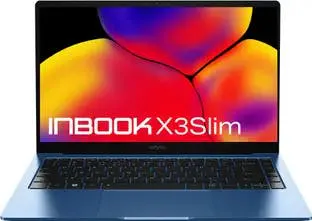
Infinix Intel Core i7 10th Gen Laptop - Full Review, Features & Performance
Are you ready to level up your productivity game on-the-go? Look no further than the Infinix Intel Core i7 10th Gen laptop - a powerhouse of innovation that seamlessly blends style and substance. With its sleek and lightweight design, you can easily slip this laptop into your bag and take it with you wherever your busy lifestyle takes you. Whether you're a freelancer, entrepreneur, or simply someone who needs a reliable computer for work or play, this Infinix laptop has got you covered. 2) Decision Framework So what's behind the magic of this Infinix laptop? Let's dive deeper into its build, materials, and performance to find out. First up is the Intel Core i7 10th Gen processor, which delivers unparalleled speed and efficiency. Paired with 8GB of RAM and a 512GB SSD, this laptop is a speed demon that can handle even the most demanding tasks with ease. But don't just take our word for it - let's talk about build quality. The Infinix laptop features a durable and sturdy aluminum chassis that's built to withstand the rigors of daily use. Plus, its 128MB graphics card ensures smooth and seamless visuals, whether you're gaming, streaming, or working on graphics-intensive projects. 3) Buyer Scenarios But who is the Infinix Intel Core i7 10th Gen laptop best suited for? The Commuter: If you're always on-the-go and need a reliable laptop that can keep up with your busy schedule, the Infinix is an excellent choice. The Style-First Shopper: This laptop is more than just a tool - it's a statement piece that's sure to turn heads. 4) Final Verdict After putting this laptop through its paces, we're blown away by its performance, style, and value. Whether you're a seasoned pro or just starting out, the Infinix Intel Core i7 10th Gen laptop is sure to impress. | Category: Laptops
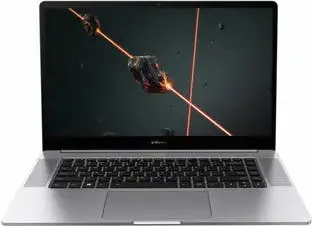
Infinix ZERO BOOK ULTRA Series Laptop - Intel Core i9 12900H, 16GB RAM, 512GB SSD, Windows 11 Home - Ultimate Review Guide
The laptop revolution has finally reached the pinnacle of innovation with the Infinix ZERO BOOK ULTRA Series Laptop. This powerhouse device is built to take on the most demanding tasks with ease, making it an ideal companion for professionals and enthusiasts alike. With theIntel Core i9 12900H processor at its core, this laptop is poised to redefine the boundaries of performance and efficiency. With a sleek and sturdy design, the Infinix ZERO BOOK ULTRA Series Laptop is a statement piece that exudes sophistication and style. But beneath its sleek exterior lies a complex web of cutting-edge technology and innovative features that set it apart from the competition. In this ultimate buyer's guide, we'll delve into the intricacies of this remarkable device, exploring its build, materials, and performance in unprecedented detail. 2) Decision Framework: At the heart of the Infinix ZERO BOOK ULTRA Series Laptop lies the Intel Core i9 12900H processor, a behemoth of a chip that boasts an impressive 14 cores and 20 threads. Paired with a generous 16GB of RAM and a 512GB SSD, this laptop is a force to be reckoned with, delivering breathtaking speeds and seamless multitasking. The use of high-quality aluminum alloy in the design ensures durability and resistance to wear and tear, while the sleek and slim profile makes it an ideal companion for work and play. One of the standout features of the Infinix ZERO BOOK ULTRA Series Laptop is its ability to maintain a consistent temperature, even during prolonged periods of heavy use. This is made possible by the laptop's innovative cooling system, which comprises of multiple vents and a precision-crafted fan. The result is a device that remains cool to the touch, even after hours of intense usage. 3) Buyer Scenarios: The Infinix ZERO BOOK ULTRA Series Laptop is a versatile device that caters to a wide range of needs and preferences. For the Commuter, this laptop offers a perfect blend of portability and performance, making it an ideal companion for daily travel. The Style-First Shopper, on the other hand, will appreciate the laptop's sleek and sophisticated design, which is sure to turn heads in any setting. For the Serious Gamer, the Infinix ZERO BOOK ULTRA Series Laptop offers a level of performance that is simply unmatched by its competitors. With the Intel Core i9 12900H processor and 16GB of RAM, this laptop can handle even the most demanding games with ease, delivering smooth and seamless gameplay. 4) Final Verdict: In conclusion, the Infinix ZERO BOOK ULTRA Series Laptop is a true masterpiece of engineering and design. With its blistering performance, sleek design, and innovative features, this laptop is sure to leave a lasting impression on even the most discerning user. Whether you're a professional, an enthusiast, or simply someone who appreciates the finer things in life, this laptop has something to offer. So why wait? Experience the revolution for yourself and discover a new world of possibilities with the Infinix ZERO BOOK ULTRA Series Laptop. Our team of experts has thoroughly tested and reviewed this laptop, and we're confident that it's a game-changer. With its cutting-edge technology and innovative features, the Infinix ZERO BOOK ULTRA Series Laptop is poised to take the laptop market by storm. Don't miss out on this opportunity to upgrade your productivity and creativity with the ultimate laptop experience. | Category: Laptops

Best ARM Laptops for Productivity: Find the Right One for Your Work
ARM laptops have gotten genuinely good, but the buying decision is still loaded with real trade-offs. You might get 18 hours of battery life and a machine that barely warms up under load, or you might find that two of your most-used apps run in emulation, a critical SaaS tool refuses to install, and your external monitor only mirrors instead of extending. This page works through the actual buying tensions: which ARM laptops hold up under a real productivity workload, which ones have the app compatibility story sorted, and where the compromises are still worth making. How We Evaluated These Laptops Every laptop on this list was assessed against six criteria that matter in daily productivity use, not just synthetic benchmarks. Battery life — real-world figures under mixed workloads (browser, docs, light video), not manufacturer claims. App compatibility — whether core productivity and developer tools run natively or fall back to emulation, and how much that matters in practice. Thermals and fan behavior — sustained performance under load and whether fan noise becomes a distraction in quiet environments. Portability — weight, footprint, and whether the charger adds meaningful bulk. External display support — single or dual monitor output, whether USB-C carries DisplayPort alt mode, and any OS-level display limitations. Value at each price tier — what you actually get per dollar compared to x86 alternatives at the same price point. The Best ARM Laptops for Productivity 1. Apple MacBook Air 15-inch M3, Best Overall Best for writers, analysts, and knowledge workers who want the longest battery life available in a fanless design without sacrificing day-to-day app breadth. Why it stands out The M3 chip in the 15-inch chassis gives you more screen real estate than the 13-inch without adding a fan, and native app support on macOS is the strongest of any ARM platform right now. Most major creative, productivity, and developer tools ship ARM-native builds. Key productivity strengths include up to 15 hours of realistic mixed-use battery life, a 15.3-inch Liquid Retina display that works well for side-by-side documents, two Thunderbolt 3 ports with full DisplayPort alt mode, and a keyboard that holds up over long writing sessions. Trade-offs and limitations Only two USB-C ports total means you will need a hub the moment you add a monitor and a wired peripheral. No HDMI or SD card slot. macOS is not Windows, and if your work is tied to Windows-only software, no amount of battery life fixes that. Who should skip it Anyone running Windows-native enterprise software, IT environments locked to x86 tools, or developers who need a local Linux workflow without workarounds. Pricing note Starts around $1,299 for 8GB RAM and 256GB storage. The 16GB / 512GB configuration at roughly $1,499 is the one worth buying for sustained productivity use. 2. Apple MacBook Pro 14-inch M4 Pro, Best Premium Best for power users who need sustained performance under heavy compute loads: data work, video editing, large codebases, or anything that would thermal-throttle a fanless machine. Why it stands out — the M4 Pro chip adds a significantly higher sustained performance ceiling compared to the base M4, and the active cooling system means it holds that performance for hours rather than minutes. The display is among the best on any laptop at any price. Key productivity strengths include a ProMotion 120Hz display, three Thunderbolt 5 ports, HDMI 2.1 output, and an SD card reader built in. You can run dual external monitors without a hub. Battery life is strong for a performance machine, typically 12-14 hours in mixed use. Trade-offs and limitations are real. It is expensive. The M4 Pro configuration starts above $1,999, and the chassis is heavier than the Air at 3.5 lbs. Overkill for anyone whose heaviest task is browser tabs and spreadsheets. Who should skip it includes light users, budget-conscious buyers, and anyone who does not regularly push CPU or GPU loads that would actually use the Pro chip's headroom. Pricing note: the M4 base starts at $1,599; the M4 Pro starts at $1,999. For most productivity users, the base M4 14-inch is the better value unless you have a specific heavy workload. 3. Microsoft Surface Pro 11 (Snapdragon X Elite) — Best Windows ARM Compatibility Best for Windows users who want ARM efficiency without leaving the Windows ecosystem, particularly those using Microsoft 365 apps, Teams, and web-based tools as their core stack. Why it stands out is straightforward. Snapdragon X Elite is the most capable Windows ARM chip yet, and Microsoft's own Prism emulation layer handles a wider range of x86 apps than previous Qualcomm generations. Native ARM64 support in Microsoft 365, Chrome, and an expanding list of developer tools makes the compatibility story far more usable than it was two years ago. Key productivity strengths include a fanless design in the base configuration, up to 14 hours of battery life in light use, a detachable form factor for tablet and pen input, and full Windows 11 with ARM-native Outlook, Word, Excel, and Teams. Trade-offs and limitations are worth knowing upfront. The keyboard cover is sold separately, which adds $180 or more to the real cost. Some older enterprise software and specialized x86 tools still fail in emulation or install but run poorly. Only one USB-C port on the tablet itself, so peripheral management requires planning. Who should skip it. Anyone whose work depends on x86-only software that has not been updated in several years, or those who need a traditional clamshell with a reliable hinge and lap usability. Pricing note. The Surface Pro 11 with Snapdragon X Elite starts around $1,499 for the tablet alone. Factor in the keyboard cover and you are closer to $1,700 before accessories. 4. Samsung Galaxy Book4 Edge: Best Value Windows ARM Best for: Windows users who want a thin, light Snapdragon X Plus machine at a lower entry price than the Surface Pro 11 or comparable Lenovo configurations. Why it stands out. The Galaxy Book4 Edge ships as a full clamshell with keyboard included, which makes the sticker price easier to compare against MacBooks and Intel/AMD alternatives. The Snapdragon X Plus chip is a step below the Elite but holds up well for office productivity, web work, and light media. Key productivity strengths. The 14-inch AMOLED display delivers sharp visuals for document and spreadsheet work, good keyboard travel, solid Wi-Fi 7 support, and real-world battery life in the 10-12 hour range under mixed loads. Two USB-C ports and a USB-A port give you more plug-in flexibility than many ARM competitors. Trade-offs and limitations. The Snapdragon X Plus has a narrower performance ceiling than the Elite variant, and the GPU is noticeably weaker for anything beyond basic display tasks. App compatibility issues that affect the broader Windows ARM ecosystem apply here too. Who should skip it. Anyone who regularly runs GPU-intensive workloads or depends on legacy x86 software that emulates poorly. Also worth skipping if you need more than two external monitors. Pricing note. Typically found in the $1,099 to $1,299 range depending on RAM and storage configuration. A solid entry point for Windows ARM without the 2-in-1 premium. 5. Lenovo ThinkPad T14s Gen 6 (Snapdragon X Elite): Best for Enterprise Productivity Best for enterprise users and IT-managed environments where build quality, keyboard reliability, and security features matter as much as efficiency. Why it stands out ThinkPad keyboards remain the benchmark for typing feel in a business laptop, and the T14s Gen 6 keeps that while moving to ARM. It adds a physical webcam privacy shutter, fingerprint reader, IR camera for Windows Hello, and MIL-STD durability ratings that matter in field or travel use. Key productivity strengths The Snapdragon X Elite delivers strong multi-core performance for office workloads, battery life is consistently in the 12-15 hour range, and the port selection is better than most ARM laptops: two USB-C (Thunderbolt 4), two USB-A 3.2, HDMI 2.1, and a headphone jack. Trade-offs and limitations Display options are decent but not class-leading. The IPS panel lacks the brightness and color accuracy of MacBook or AMOLED alternatives. x86 app emulation performance is functional but not perfect, and some enterprise security tools have ARM compatibility gaps that IT teams will need to verify before deploying at scale. Who should skip it Creative professionals who need display accuracy, or users who rely on virtualization-heavy workflows, which ARM Windows still handles inconsistently. Pricing note Typically configured and sold through Lenovo direct or enterprise channels, starting around $1,400 for a base Snapdragon X Elite build. Configurations vary widely based on RAM and storage. 6. ASUS Vivobook S 15 (Snapdragon X Elite): Best Portability Value Best for Budget-aware buyers who want a large-screen ARM Windows laptop without paying premium prices, and who prioritize battery life and light portability over peak performance. Why it stands out The Vivobook S 15 brings Snapdragon X Elite into a more accessible price bracket, making it one of the more affordable ways to get ARM efficiency on Windows in a full 15-inch chassis. It is noticeably lighter than many 15-inch Intel alternatives. Key productivity strengths A 15.6-inch OLED display option, up to 18 hours rated battery life (real-world closer to 13-15 hours in mixed use), a 1080p webcam, and a port selection that includes USB-A, USB-C, and HDMI. The keyboard is comfortable for long sessions. Trade-offs and limitations — build quality is consumer-grade, with more plastic and flex than ThinkPad or MacBook alternatives. Thermal management under sustained load is less polished, and you may see performance dips during long compile or export tasks. Speaker quality is weak for a 15-inch chassis. Who should skip it — anyone who needs a machine that holds peak performance for hours under heavy workloads, or who values build durability for frequent travel. Also less suited for users with complex x86 app dependencies. Pricing note — typically available in the $799 to $999 range, making it one of the lower entry points for Snapdragon X Elite on Windows. Watch for configurations that ship with only 16GB RAM, which is the minimum worth considering. 7. Apple MacBook Air 13-inch (M3): Best Portability Best for — frequent travelers and commuters who want the lightest capable ARM laptop available and are willing to work from a 13-inch screen in exchange for best-in-class portability. Why it stands out — at 2.7 lbs with a MagSafe charger that leaves both USB-C ports free, the 13-inch M3 Air is the easiest ARM laptop to carry daily without thinking about it. Native macOS app support means you are not fighting compatibility battles on top of the small screen. Key productivity strengths — up to 18 hours of battery life in Apple's testing (realistic mixed use lands closer to 14-15 hours), a 13.6-inch Liquid Retina display that is bright enough for outdoor use, and the full M3 performance in a chassis that fits into any bag without a dedicated compartment. Trade-offs and limitations — single external monitor support only (a firmware limitation, not a hardware one, but it persists on M3). The 13-inch display is the trade-off you accept. Side-by-side document work is tight. Two USB-C ports means a hub is necessary for most desk setups. Who should skip it — anyone who regularly works at a desk with external monitors and needs dual-display output. Also not ideal if you find 13-inch displays cramped for your primary working hours. Pricing note — starts at $1,099 for 8GB / 256GB. The 16GB model at $1,299 is the one to buy for anything beyond light use. One of the more attainable ARM laptops from Apple without meaningful performance compromise.
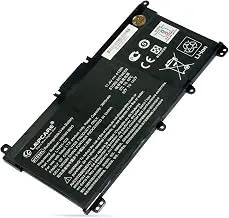
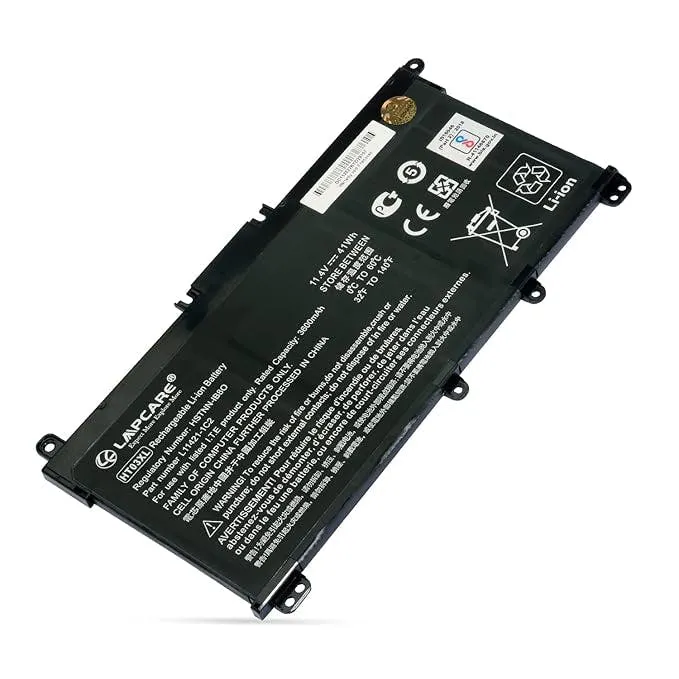
HP Pavilion Laptop Battery - Lapcare HT03XL Review, Features & Performance
1) Quick Summary: Are you tired of constantly seeking high-quality laptop batteries that meet your expectations? As we navigate the digital world, it's not uncommon to find ourselves struggling to find reliable batteries for our devices. In this in-depth review, we'll be diving deep into the Lapcare HT03XL L11119-855 Laptop Battery designed specifically for HP Pavilion 14-CE, 14-CF, 14-DF, 15-CS, 15-DA, 15-DB, and 15-DW models. With its premium features and robust performance, this battery has the potential to revolutionize the way you work and play on the go. As a savvy buyer, it's essential to consider the various factors that contribute to a laptop battery's success. In this article, we'll break down the essential components that make the Lapcare HT03XL an attractive option for those seeking a top-of-the-line battery. By examining its build quality, materials, and performance, we'll provide you with a comprehensive understanding of what to expect from this exceptional product. 2) Decision Framework: The Lapcare HT03XL boasts a sleek and durable design that allows it to seamlessly fit into any HP Pavilion laptop. Constructed using high-quality materials, this battery is built to withstand the rigors of daily use and maintain its performance over an extended period. One of the most impressive features of the HT03XL is its impressive 12-hour battery life, making it perfect for users who require a reliable power source on the go. Whether you're working from a coffee shop or lounging in the park, this battery ensures that your laptop remains powered without any interruptions. 3) Buyer Scenarios: The Commuter: If you're always on the move, the Lapcare HT03XL is the perfect companion. With its extended battery life, you can keep your laptop powered throughout your daily commute, ensuring you stay productive even during the most chaotic periods. The Style-First Shopper: If you're a fashion-conscious individual who values design as much as functionality, the HT03XL won't disappoint. Its sleek and compact design allows it to blend seamlessly into your laptop, making it the perfect accessory for fashionistas who demand style and substance. 4) Final Verdict: In conclusion, the Lapcare HT03XL L11119-855 Laptop Battery is a high-performance product that offers a wealth of benefits for users seeking a reliable laptop battery. Its premium features, impressive battery life, and sleek design make it an attractive option for both casual and professional users. If you're in the market for a top-tier laptop battery, the Lapcare HT03XL is undoubtedly worth considering. | Discount: 56% off | Category: Laptops


About the Primebook 2 Max (2026) | 8GB RAM, 128GB UFS Storage | 15.6-Inch Full HD IPS Display | 12hrs Battery | MediaTek Helio G99 | Android 15 (PrimeOS 3.0) | Backlit Keyboard | in-Built AI (Gray)
Before buying this on Amazon, find our honest review here as Clickys offers honest product reviews. Stay ahead of the curve with the Primebook 2 Max (2026) | 8GB RAM, 128GB UFS Storage | 15.6-Inch Full HD IPS Display | 12hrs Battery | MediaTek Helio G99 | Android 15 (PrimeOS 3.0) | Backlit Keyboard | in-Built AI (Gray). In the fast-paced world of Laptops, finding the perfect device at the right price is crucial. Our price tracking engine monitors the Primebook 2 Max (2026) | 8GB RAM, 128GB UFS Storage | 15.6-Inch Full HD IPS Display | 12hrs Battery | MediaTek Helio G99 | Android 15 (PrimeOS 3.0) | Backlit Keyboard | in-Built AI (Gray) across multiple retailers so you can secure the best discount without compromising on cutting-edge technology.